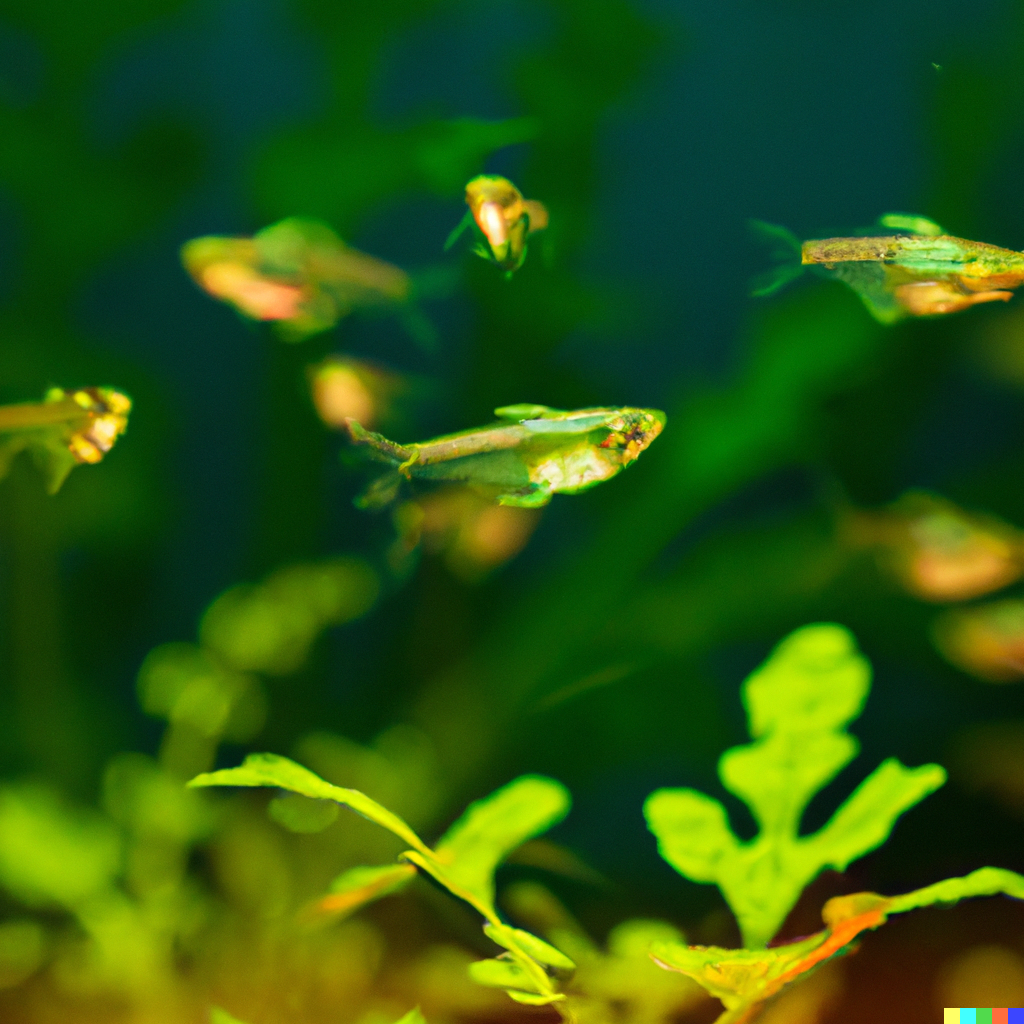
Japanese rice fish, or medaka (Oryzias latipes), are a small, colorful species of freshwater fish native to East Asia. These fish are known for their adaptability and hardiness, making them a popular choice among both beginner and experienced aquarists. In this post, we’ll delve into the size, appearance, coloring, habits, and behavior of medaka, as well as discuss their suitability as pets and their role in scientific research.
Starting with size, medaka are relatively small fish, with adults reaching a maximum size of about 2.5 inches in length. This size can vary slightly depending on the specific conditions in which the fish are kept, as well as the availability of food. In general, medaka are considered a suitable choice for smaller tanks, as they do not require a lot of space to thrive.
As for appearance, medaka have a streamlined, elongated body shape that is typical of many fish species. They have a small, upturned mouth and relatively large eyes, which gives them a curious and alert appearance. Medaka also have two small barbels on their chin, which are used to locate food in their natural habitat.
Medaka are known for their vibrant coloration, which can range from shades of silver, gold, and white to more vibrant hues of red, orange, and even blue. The base color of medaka is typically silver or gold, with darker markings and patterns on their back and sides. These markings can vary in size and shape, and can even change over the course of the fish’s lifetime.
In addition to the natural color variations found within the species, there are also several selectively bred strains of medaka that are available to aquarists. These strains have been developed through selective breeding to produce specific color patterns and traits. Some examples of these strains include the “Kohaku” strain, which has a white base color with red markings, and the “Sanke” strain, which has a white base color with black and red markings.
When it comes to habits and behavior, medaka are omnivorous and will accept a variety of foods. In the wild, they feed on small insects, worms, and algae. In captivity, they can be fed a varied diet of flakes, pellets, and live or frozen foods. Medaka reproduce through external fertilization, with females laying eggs that are fertilized by males. The eggs are typically laid in a nest or on vegetation, and the male will guard the eggs until they hatch.
Medaka have a relatively short lifespan, with an average lifespan of about 2-3 years in captivity. However, some individuals have been known to live for longer periods of time. It is important to note that the lifespan of a medaka can be affected by a variety of factors, including diet, water quality, and overall health.
When it comes to suitability as pets, medaka are known for their adaptability and hardiness, making them relatively easy to care for. They can tolerate a wide range of water conditions and temperatures, and do not require specialized care. Medaka can be kept in a variety of settings, including small tanks and outdoor ponds, and are able to survive in both hard and soft water with a pH range of 6.5-8.0.
Medaka are a popular choice among aquarists due to their small size, adaptability, and attractive appearance. They make a great addition to any aquarium and can provide hours of entertainment as you watch them swim and interact with their environment.
In terms of their natural habitat, medaka can be found in rice paddies, streams, and rivers throughout their native range in East Asia. These fish are not currently considered
threatened or endangered, but they can be impacted by habitat loss and degradation due to human activities such as agriculture and development. It is important to be mindful of the impact that our actions can have on the natural world, and to do our part to preserve and protect the habitats of all species.
Medaka also have a significant role in scientific research. Due to their small size, ease of care, and rapid breeding cycle, these fish have been widely used in studies on a variety of topics, including genetics, development, and disease. Compared to other model organisms such as mice or zebrafish, medaka have a shorter lifespan and smaller size, making them easier and less expensive to maintain in a laboratory setting. They also have a relatively simple genome, making them useful for genetic studies.
In conclusion, medaka are a small, adaptable, and hardy species of fish that make suitable pets for both beginner and experienced aquarists. They have a wide range of colors and patterns, and can be kept in a variety of environments. In addition to their role as pets, medaka are also widely used in scientific research due to their size, ease of care, and rapid breeding cycle. If you’re considering adding some medaka to your tank, be sure to provide them with a suitable habitat and a varied diet, and they will thrive in your care. Whether you’re interested in keeping medaka as pets or simply want to learn more about this fascinating species, there’s no doubt that they are an interesting and rewarding addition to any aquarium.